
GLP-1 Diet Plan: What to Eat on a GLP-1 and What to Limit
A GLP-1 diet plan built around smaller meals, protein first, fiber, fluids and strength training. What to eat on a GLP-1, what to limit, and why muscle matters.
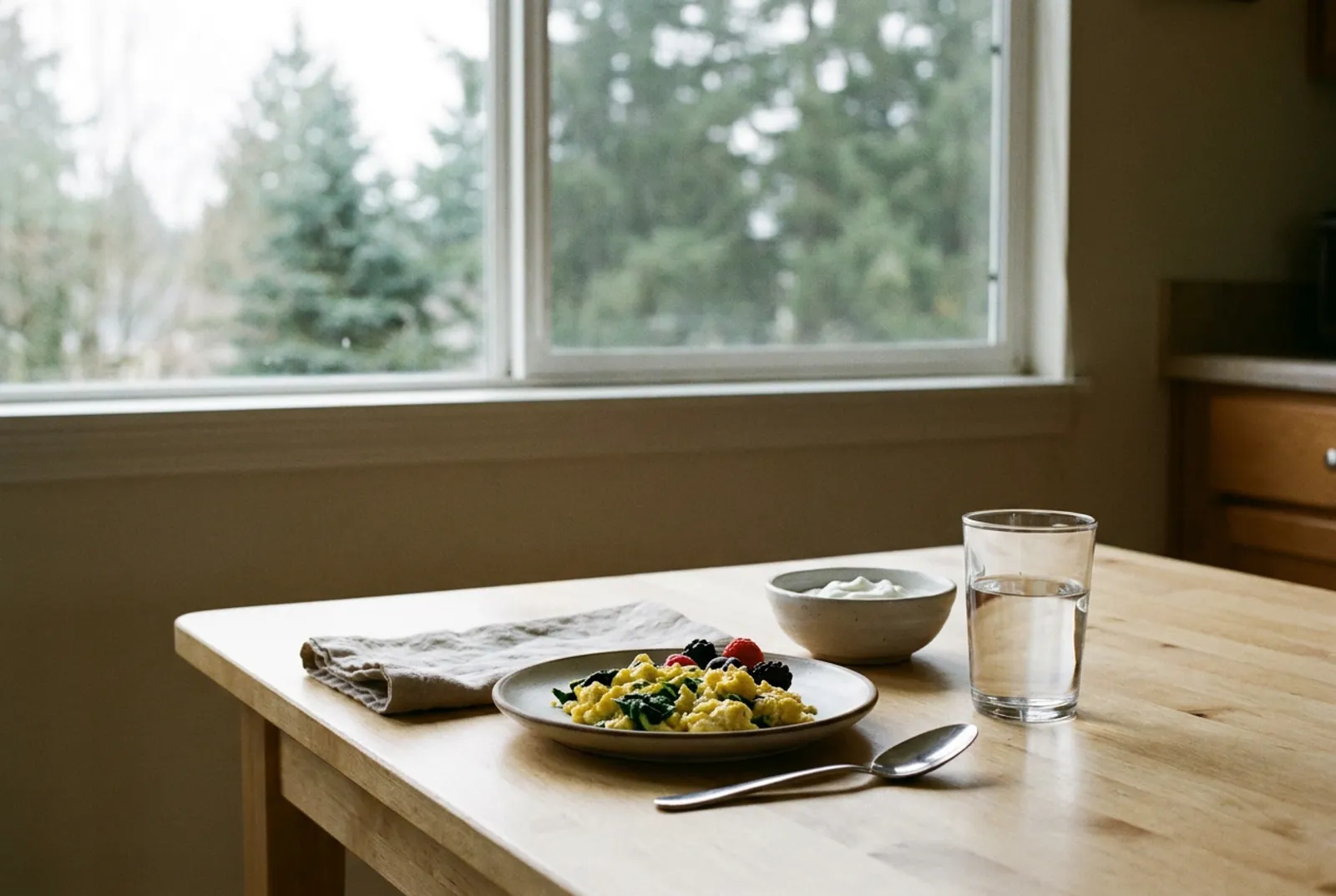
A GLP-1 medication turns the volume down on hunger. Meals that used to feel normal can suddenly feel like too much, and foods you craved may lose their pull. That shift is useful, but it also changes the job your diet has to do.
When you eat less, every bite carries more weight. A good GLP-1 diet plan is less about cutting further and more about making smaller meals count: enough protein, enough fiber and fluids, and fewer of the foods that tend to make side effects worse.
Why Your Diet Still Matters on a GLP-1
In the STEP 1 trial, adults taking semaglutide alongside a lifestyle program lost an average of 14.9 percent of their body weight over 68 weeks, compared with 2.4 percent on placebo. In SURMOUNT-1, average loss on tirzepatide ranged from 15 to 21 percent over 72 weeks, depending on the dose.
The medication does the heavy lifting on appetite. What you eat decides what kind of weight comes off and how well you feel along the way.
A 2025 joint advisory from four obesity and nutrition groups, including the Obesity Medicine Association and the Obesity Society, lists the problems that show up most with GLP-1 treatment: digestive side effects, nutrient gaps from eating less, loss of muscle and bone, and weight regain after people stop. Diet and activity help with every one of them.
Source: Wilding et al., N Engl J Med, 2021 (STEP 1)Jastreboff et al., N Engl J Med, 2022 (SURMOUNT-1)Mozaffarian et al., Obesity Pillars, 2025 (joint advisory)
Build Each Meal Around Protein
Protein is the first thing to protect. When weight comes off quickly, some of it is muscle, and the joint advisory names muscle and bone loss as a real concern with GLP-1 treatment. Protein at each meal and regular strength training are the two main ways to hold on to muscle.
Because your appetite is smaller, eat the protein first. If you fill up halfway through a plate of pasta, the chicken on the side may never get eaten.
How much protein you need depends on your size, your activity and your kidney health, so set a number with your clinician or a dietitian rather than borrowing one from the internet.
- Eggs or plain Greek yogurt at breakfast
- Chicken, turkey, fish or lean beef at lunch and dinner
- Tofu, tempeh, lentils or beans
- Cottage cheese, milk or a protein shake when a full meal feels like too much
Eat Smaller Meals, More Slowly
GLP-1 medications slow how fast your stomach empties. That is part of why you feel full sooner, and it is also why a large meal can sit heavily and bring on nausea or reflux.
Many people do better with smaller plates, three modest meals plus a planned snack, and stopping at the first sign of fullness instead of finishing what is in front of them. Eating slowly gives that fullness signal time to catch up.
Our guide to GLP-1 side effects covers nausea and other digestive symptoms in more detail.
Get Enough Fiber and Water
Eating less food often means eating less fiber, and constipation is a common complaint on GLP-1 medications. Vegetables, fruit, beans, lentils, oats and whole grains help, and they add volume without many calories.
Add fiber gradually. A sudden jump can bring gas and bloating while your stomach is already adjusting.
Fluids matter just as much. Some people drink less along with eating less, and vomiting or diarrhea adds to the losses. Keep water within reach through the day and sip between meals rather than drinking a large glass with food, which can fill you up before you get to your protein.
Foods to Limit on a GLP-1
No food is off limits, but some reliably make the ride rougher. Many people find their cravings for these drop on their own, which makes the list easier than it sounds.
- Greasy, fried and very rich foods, which tend to sit heavily and can trigger nausea
- Large portions in one sitting
- Sugary drinks and sweets, which add calories without protein or fiber
- Alcohol, which adds calories and can make nausea worse
- Carbonated drinks, if bloating is a problem
Pair Your GLP-1 Diet Plan With Strength Training
Food protects muscle best when it is paired with resistance training. The joint advisory puts resistance training and an appropriate diet together as the way to preserve muscle and bone during GLP-1 treatment.
That does not mean a gym membership on day one. Two or three sessions a week of squats, pushes, pulls and carries, using bodyweight, bands or weights, is a solid start. Our Lift Heavy handout walks through the basics.
A Sample Day on a GLP-1 Diet Plan
This is an example, not a prescription. Portions are smaller than most people are used to, and protein leads every meal.
- Breakfast: two eggs scrambled with spinach and a handful of berries
- Lunch: a small salad with grilled chicken, chickpeas and olive oil dressing
- Snack: plain Greek yogurt or cottage cheese
- Dinner: salmon, roasted vegetables and a few spoonfuls of brown rice or potatoes
- Through the day: water between meals
Plan for Life After the Medication
Your eating habits matter even more if you ever stop. In the STEP 4 trial, people who switched from semaglutide to placebo after 20 weeks regained 6.9 percent of their body weight over the next 48 weeks, while those who stayed on it lost another 7.9 percent.
The habits you build now, protein at each meal, regular strength training and portions that match your appetite, are the ones that carry forward.
Getting Help With a GLP-1 Diet Plan
A GLP-1 diet plan works best when it fits your labs, your medications and your schedule. Nutrition and strength training are part of how Dr. Strand approaches medical weight loss at Asymmetric Health, in person or by telehealth anywhere in Washington.
Patients come to our weight loss clinic in Lacey, WA from across Thurston County, including from Olympia, about 8 minutes away. To get started, find the right evaluation for your goals.
This article is general education, not medical advice. Talk with your own clinician before changing your diet, medication or exercise routine.
This article provides general education. Your clinician can advise you about your own symptoms, test results, and care.
More health articles